
Thermal Engineering
Through Applied Science.
The engineering methods, simulation tools, and material science disciplines that underpin every system we design and build.
Thermal Bridge Analysis & Counter-Design
Structural connections, fasteners, door frames, floor junctions, and service penetrations all introduce thermal bridges that degrade envelope performance. We model these effects using simulation tools and incorporate counter-details i.e., thermal breaks, expanded insulation zones, and structural design adjustments i.e., into every engineering package.
- Continuous insulation methodology with offset joint patterns
- Thermally-broken door frames and structural penetration sleeves
- Computer-modelled thermal imaging during design phase
- Post-installation thermal camera validation
- Documented thermal bridge factor (psi values) per junction type
Advanced Thermal Bridge Analysis & Counter-Design
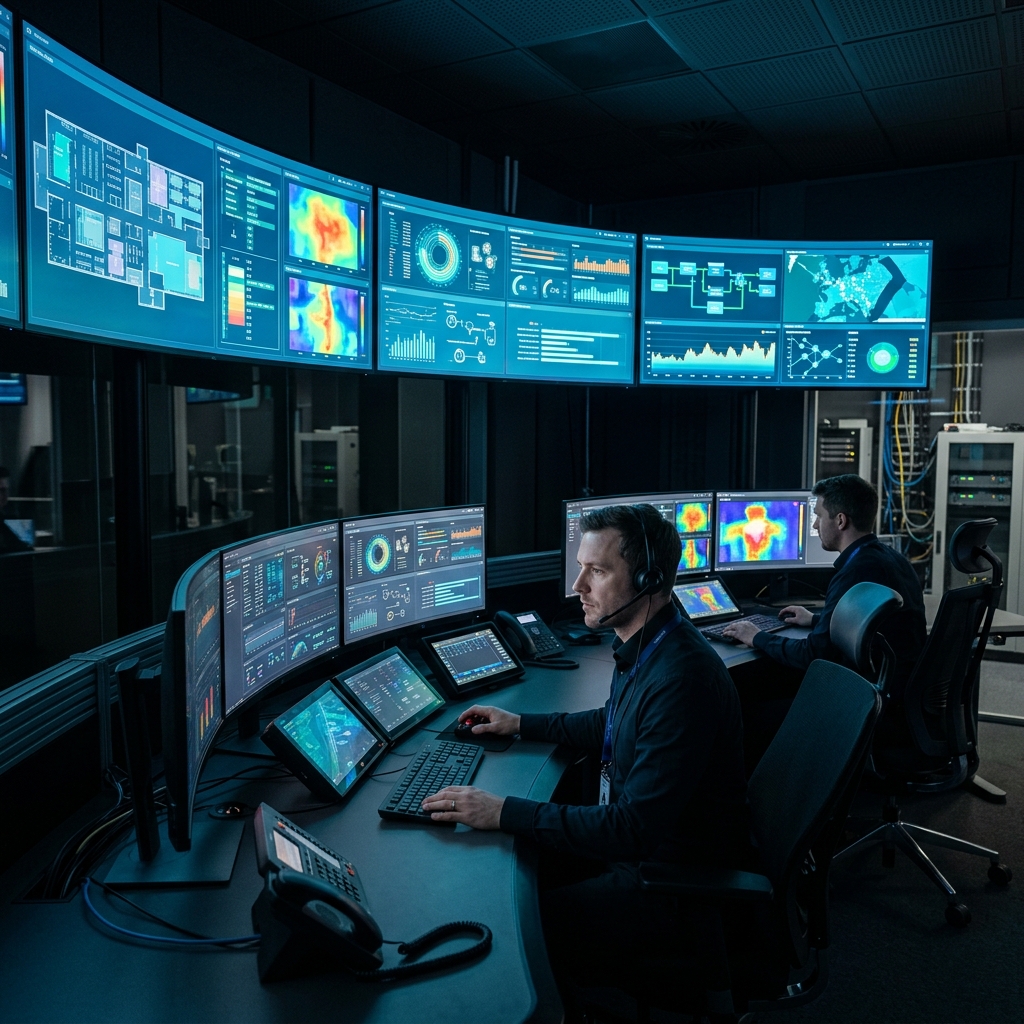
Digital Intelligence & Operational Analytics
Our cloud-connected monitoring platform transforms facility sensor data into actionable operational intelligence i.e., covering temperature compliance, energy performance, and predictive maintenance.
- Predictive algorithms trained on equipment-specific failure signatures
- Automated optimisation of refrigeration setpoints based on thermal load
- Energy performance benchmarking against facility type and operating profile
- Compliance data logging for WHO GDP and FSSAI audit requirements
- Role-based access dashboard with automated reporting
Real Results
Modular & Scalable Infrastructure Architecture
Facilities designed for phased expansion from the outset i.e., with pre-planned utility connections, structural reinforcement, and modular enclosure systems that allow capacity growth without operational disruption.
- Structural design accommodating future bay additions
- Pre-routed utility connections and electrical distribution capacity
- Building skid modules that integrate with existing structural systems
- Refrigeration plant staging designed for phased capacity addition
- Zero operational disruption during expansion phases
Advanced Modular & Scalable Infrastructure Architecture
Sustainable Design Features
Building a greener cold chain ecosystem through innovative energy and water solutions.
Energy Recovery Systems
- Heat recovery from refrigeration condensers for space heating/hot water
- Waste cold from LNG regasification for supplemental cooling
- Economizer cycles for free cooling during favorable ambient conditions
Renewable Energy Integration
- Rooftop solar PV systems (grid-tied with net metering)
- Solar thermal for hot water generation
- Wind turbines for large rural facilities
- Battery energy storage systems (BESS) for demand charge reduction
Water Conservation
- Rainwater harvesting with underground storage
- Condensate recovery from refrigeration systems
- Recycled water for cooling tower makeup
- Zero liquid discharge (ZLD) systems for water-scarce regions
Environmental Impact
- LEED Gold/Platinum certification capability
- 40-60% energy reduction vs ASHRAE 90.1 baseline
- Carbon neutral operation achievable with renewable offsets
- R410A/R32 refrigerants (low GWP) or natural refrigerants (ammonia, CO2)
Digital Twin Technology
Virtual replica of your facility for simulation and optimization:
- 3D BIM model with live data integration
- "What-if" scenario testing before implementing changes
- Energy modeling to predict seasonal performance
- Training simulator for operators
- Remote technical support using AR overlays
Predictive Maintenance AI
Machine learning models trained on diverse industrial facilities:
- Vibration analysis on motors and compressors
- Refrigerant leak detection through subtle pressure pattern changes
- Bearing failure prediction 30-45 days before occurrence
- Automatic work order generation to maintenance teams
- Parts inventory optimization based on failure probabilities
Research, Eco-Technology & Retrofit.
Eco-Friendly Refrigerants
Natural refrigerant engineering, zero-ODP insulation, and the refrigerant transition roadmap.
ExploreR&D and Innovation
Three research labs, 12+ active programs, and industry-academic collaborations.
ExploreRetrofitting & Upgrades
Insulation retrofit, refrigerant conversion, energy efficiency, and BMS modernization.
ExploreExperience the Future of Cold Chain
Schedule a technology demonstration to see our smart building analytics, digital twin capabilities, and predictive AI in action.
Schedule Technology Demo